2026-08-29 ·
Sump Pump Failures That Flood Butler County Homes Every Spring
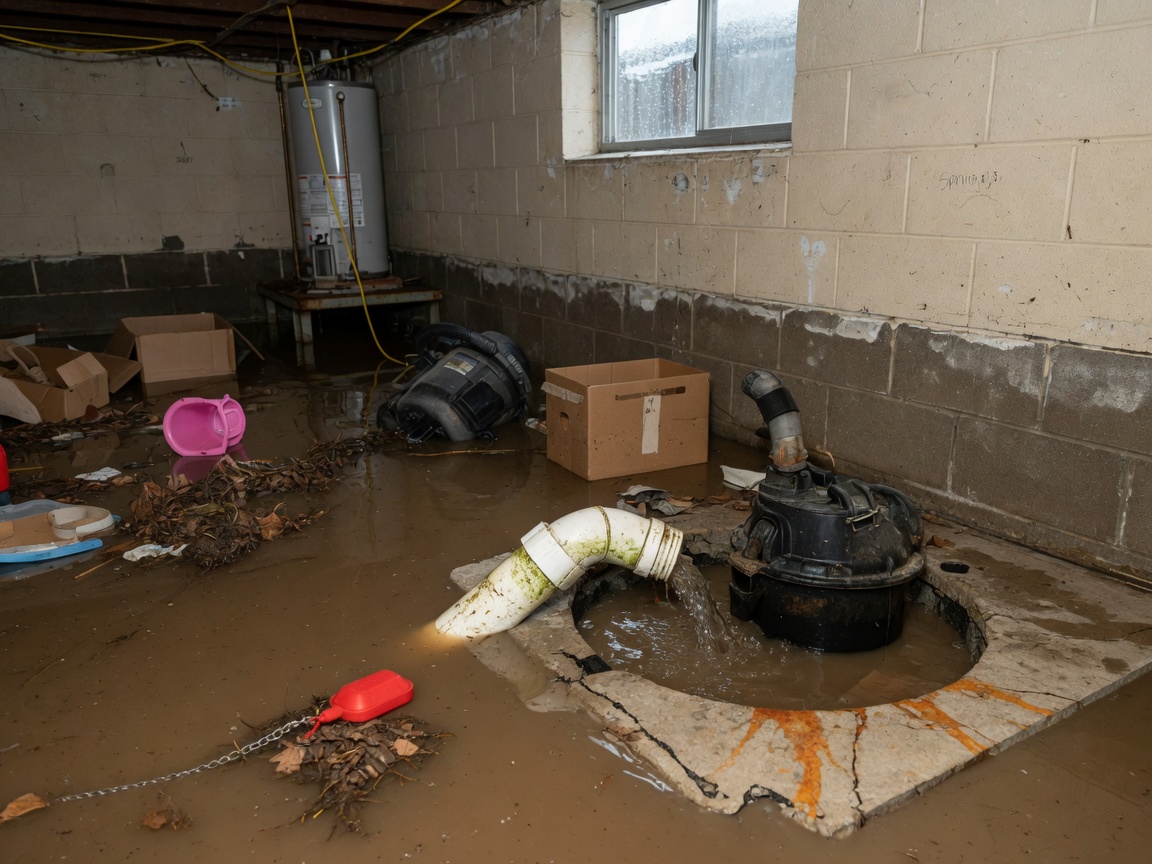
Sump pump failures flood Butler County homes every spring when heavy rainfall overwhelms aging units that have not been maintained or properly sized for the area's clay-heavy soils and older foundations found in neighborhoods like North Poplar Bluff and Downtown.
Spring Rainfall Patterns in Butler County
Poplar Bluff sits in a humid subtropical climate where spring storms dump several inches of rain in short periods, saturating ground around homes built before modern drainage standards. Properties near Three Rivers College and Poplar Bluff Regional Medical Center often sit on flatter lots that collect runoff from surrounding streets. These conditions push water toward basements faster than many standard sump pumps can handle, especially when discharge lines clog with debris from nearby Mark Twain National Forest edges. Homeowners in these spots notice water rising within hours of sustained rain because the pumps cycle constantly without rest periods.
Why Pumps Fail in Local Housing Stock
Many homes in Butler County feature 40- to 60-year-old foundations with settled concrete that allows seepage around sump pits. Constant operation during wet seasons shortens motor life to roughly 5–8 years when units run more than a few hours daily. Sediment from local soil builds up in the pit and impeller, reducing flow rates until the pump cannot keep up with inflow from spring downpours. Nearby cities like Sikeston and Cape Girardeau report similar patterns, but Poplar Bluff's proximity to the Black River adds extra pressure during peak runoff periods.
Early Warning Signs Before Flooding Occurs
Watch for pumps that run more than once every few minutes during moderate rain or emit grinding noises from debris caught in the impeller. Standing water in the pit after the unit shuts off signals a failing float switch or blocked discharge line. In North Poplar Bluff homes, check for musty odors near the basement floor or small cracks widening after repeated wet springs. These indicators appear weeks before full failure, giving time to address issues before water reaches finished areas.
Steps to Reduce Spring Flood Risk
Inspect the sump pit and clean out sediment at the start of each wet season. Verify the discharge line routes water at least 10 feet from the foundation and remains clear of leaves or ice. Test the backup battery system by unplugging the main unit during a controlled check. For homes near Wappapello or Harviell, consider tying the system into a larger drainage plan that accounts for regional flooding patterns. Why Black River Flooding Puts Poplar Bluff Basements at Risk explains additional regional factors that compound these risks.
When to Call for Professional Help
Persistent issues after basic maintenance point to undersized equipment or collapsed discharge lines common in older Butler County properties. Emergency Plumbing crews familiar with Poplar Bluff terrain can assess flow rates and recommend upgrades that handle local rainfall volumes. Linking a new installation to existing Drain Cleaning routines prevents debris from re-entering the system during heavy spring flows. Addressing these problems early avoids the costlier cleanup that follows basement flooding in areas like Fisk or Broseley.